
Choose a Ground Beef Dinner Format
The format you choose determines whether the beef and other ingredients become one cohesive dish or remain separate components. A skillet is useful when you want a compact, directly served meal; sauces, fillings, and patties suit different textures and ways of serving. For easy ground beef dinner ideas, start with the ingredients you have and the kind of plate you want to put together. The comparisons below help you match the format to your available cookware, desired texture, and serving needs.
Skillet meals
A skillet can make a complete dish in one vessel, or hold the beef while another component cooks separately. Compare the formats by the number of vessels, the texture you want, and whether you need the meal ready to serve from the pan.
| Format | Preparation order | Typical texture | Flexibility and serving |
|---|---|---|---|
| One-pan rice skillet | Beef and rice share 1 pan; rice cooks in the same dish. | Rice absorbs cooking liquid and sits alongside the beef in an integrated mixture. | Works with vegetables such as peppers or peas; serve portions directly from the skillet. |
| One-pan pasta skillet | Pasta and beef share 1 pan, with the pasta cooked in the dish. | The pasta takes on the sauce; the finished texture is more unified than separately cooked pasta. | Tomato-based sauces suit this format; the pan can serve the whole meal. |
| Beef with separately cooked rice | Use 2 cooking vessels: one for the beef mixture and one for rice. | Rice and beef retain distinct textures instead of combining during cooking. | Adjust the amount of each component per serving; this suits diners who prefer separate portions. |
| Beef with separately cooked pasta | Use 2 cooking vessels: one for beef and sauce, one for pasta. | Pasta stays distinct and can be coated with sauce when served. | Choose pasta portions independently; useful when the beef mixture will be served in different ways. |
One-pan ground beef dinners are practical when you want fewer vessels and a dish that serves directly from the skillet. Choose separate cooking when distinct textures or adjustable portions matter more than keeping the whole meal in one pan.
Sauces, fillings, and patties
Sauced beef, fillings, and patties start with the same ground meat but create different meals. Choose based on how moist the finished beef should be, how firmly it needs to hold together, and whether you want a spoonable dish or a hand-held serving. Sauced beef stays loose and moist, with the sauce forming part of each bite. Tomato, stock, or a dairy-based sauce can suit it; pasta or mashed potatoes make useful partners when you want a plated dinner. Seasoning can be distributed through the sauce, so this format fits ground beef pasta dinner ideas and other meals where the beef is served with a substantial accompaniment. A filling should be moist enough to stay enjoyable inside a wrap or a hollowed vegetable, but not so loose that it runs out while you eat. Corn, beans, chopped peppers, and taco-style spices are common options for a family-friendly beef filling. Keep its texture spoonable rather than forming it into a single mass, and pair it with tortillas or use it to fill baked peppers. This format works well when each person can assemble an individual serving. Patties need to keep their shape from preparation through serving, so handle the mixture as a formed portion rather than a loose sauce. Salt, pepper, and finely chopped herbs suit a straightforward profile; buns make a familiar choice, while roasted vegetables fit a plate without bread. For ground beef meals for families, patties offer individually portioned servings, whereas sauces and fillings are more adaptable to varied accompaniments. Choose the format that matches the meal: sauce for a moist plated dish, filling for wraps or vegetables, and patties for a shaped main.
Prepare Ingredients Before Cooking
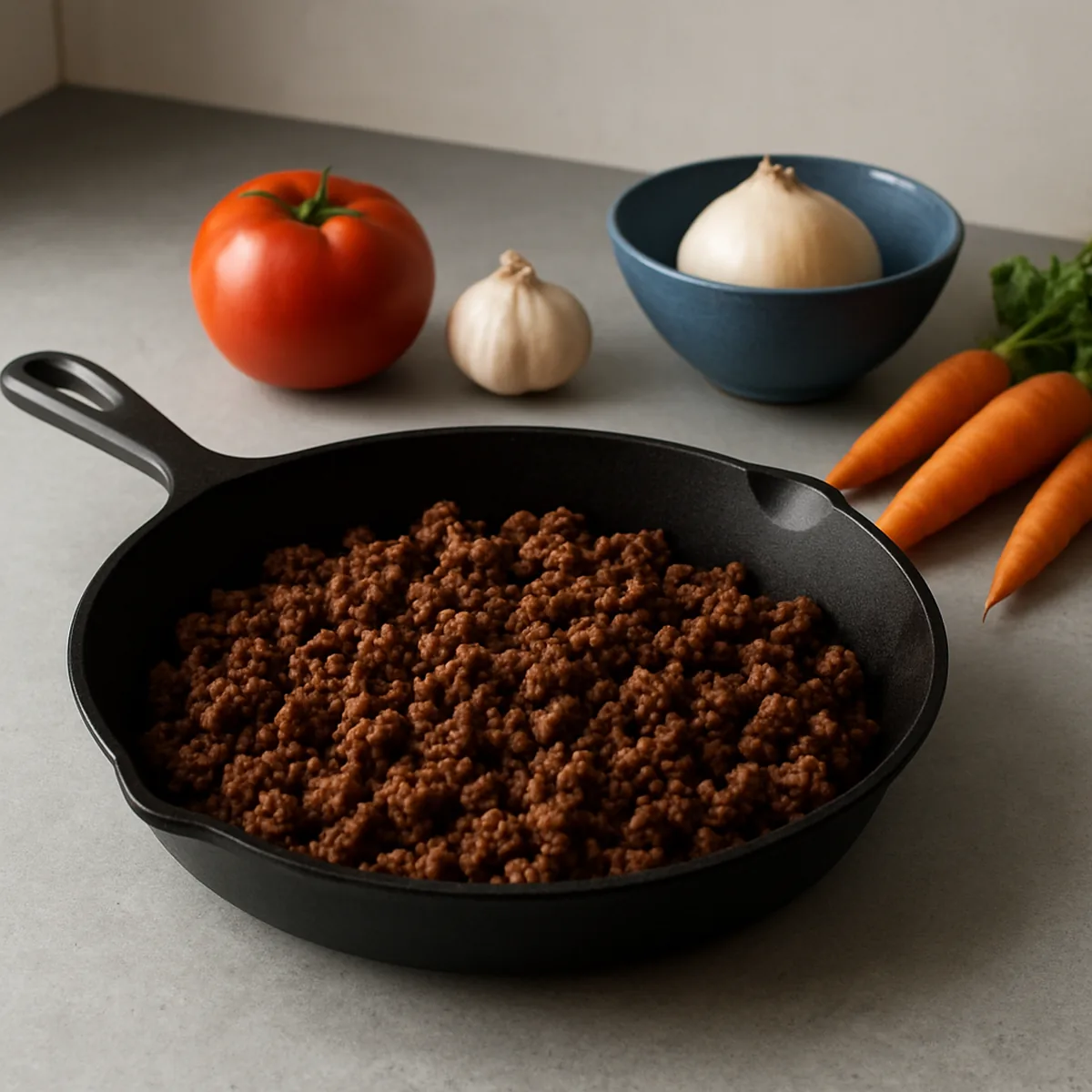
A short setup before cooking makes easy ground beef dinner ideas easier to manage, especially when several ingredients need attention at once. Allow about 10 minutes to chop vegetables, measure seasonings, and portion any grains or sauces. Matching the pan to the batch helps keep the cooking process manageable without crowding ingredients. Keeping raw beef apart from ready-to-eat foods also gives you a clear, orderly workspace.
Set up the ingredients
Work through the ingredients in the order you will need them, and put each measured component within reach. For most quick ground beef recipes, a 10-minute setup is enough to prevent last-minute chopping or measuring.
- Wash and dry vegetables, then dice onions and peppers into roughly ¼-inch pieces; slice mushrooms evenly so they cook at a similar pace.
- Measure salt, pepper, dried spices, and herbs into separate small dishes; keep strong seasonings such as chili powder apart for easy adjustment.
- For rice or other grains, rinse and portion the dry amount before cooking; open broth, canned tomatoes, or sauce and measure what the recipe needs.
- Choose a heavy 10- to 12-inch skillet for about one pound of beef; a wider 12- to 14-inch pan gives a larger batch more room.
- For two pounds, use a 12- to 14-inch skillet or cook in batches; gather a wooden spoon and a clean plate before opening the package.
- Keep raw beef, its wrapper, and any used utensils away from washed produce, cooked grains, and serving dishes; wash hands and surfaces after handling.
Arrange the chopped vegetables and measured ingredients in the order they will go into the pan, with grains or sauces ready beside them. A clear counter and a pan suited to the amount of beef make it easier to follow that sequence without stopping to search for tools.
Choose seasoning
Start with a restrained base and build the seasoning around the rest of the meal. For one pound of beef, begin with about ¼ teaspoon fine salt and ⅛ teaspoon black pepper; salt levels vary between brands and ingredients, so treat these as starting amounts rather than a fixed rule. If using kosher salt, check the package’s grain size because a teaspoon can contain less salt than a teaspoon of fine salt. Dried spices such as cumin, paprika, chili powder, or garlic powder suit taco-inspired fillings and skillet meals; add them early in cooking so their flavor has time to mingle with the beef. Dried oregano or thyme can support tomato sauces, while delicate fresh herbs such as parsley or cilantro are best stirred in near the end so they retain a fresh aroma. Use measured pinches for small batches rather than shaking spices directly over the pan. Savory additions bring salt as well as flavor. Start with about 1 teaspoon Worcestershire sauce or soy sauce per pound, then account for any salty broth, cheese, or prepared sauce already in the meal. A small amount of tomato paste can deepen a tomato-based sauce, while a pinch of red pepper flakes adds heat without changing its overall seasoning profile. Taste a cooked spoonful of the beef mixture, sauce, or grain before serving; never taste raw beef. Add salt, pepper, or spices in small increments, mixing and tasting after each change. This gradual approach keeps the seasoning balanced across ground beef pasta dinner ideas, rice dishes, and other weeknight meals.
Brown Ground Beef for Better Texture
Browning ground beef is about controlling contact between the meat and a hot pan, not simply cooking it until no pink remains. A broad, uncrowded surface gives moisture room to evaporate and lets the meat develop browned areas instead of steaming in its own juices. The size of each piece also changes the result: fine crumbles coat sauces evenly, while larger pieces stay distinct in a skillet. Watch the meat and the pan rather than stirring by the clock. For easy weeknight meals with ground beef, match the browning method to the texture the finished dish needs.
Avoid crowding the pan
Browning depends on how much meat touches the pan at once. Use these cues to manage batch size, heat, and stirring:
- In a 12-inch skillet, start with about 1 pound of beef; if it covers the base in a thick, crowded layer, divide it into batches.
- Preheat the skillet over medium-high heat for 2 to 3 minutes, then add the beef; a hot surface helps moisture evaporate promptly.
- Leave visible gaps between portions of meat so the pan surface stays exposed and can brown the beef rather than collect liquid.
- If liquid pools around the meat, pause stirring and let it simmer off; frequent movement keeps damp surfaces from making steady contact.
- Wait until the underside has deep-brown patches and releases fairly easily before turning or stirring; pale, stuck meat needs more time.
- After the first side browns, use a spatula to turn the beef and expose fresh surfaces; stir more often once the initial crust forms.
- When cooking a second batch, let the pan regain its heat before adding it, especially if the first batch left noticeable liquid behind.
For a larger amount, transfer browned batches to a plate while the remaining beef cooks, then combine them when the pan is no longer crowded. A little sizzling is normal; a quiet pan with liquid pooling is a cue to reduce the batch or give evaporation time.
Break up or leave larger pieces
How finely you break up the beef determines both its browned surface and the way it sits in the finished dish. For fine crumbles, press the meat into the skillet and leave it undisturbed until the underside browns, then turn it and break it apart with a spatula. Pieces around ¼ to ½ inch offer plenty of surface area for browning and create an even texture that mixes readily through sauce. Breaking the meat up immediately can still work, but the many small surfaces release moisture and need room to dry before they brown well.
Larger pieces, roughly 1 to 1½ inches across, retain a softer, meatier center while developing brown patches on the outside. Turn them less often and use the spatula to divide only where needed; constant chopping removes the contrast between browned edges and tender centers. These pieces suit a ground beef and vegetable skillet when you want distinct bites, while smaller crumbles distribute more evenly through fillings. For patties, shape and flatten the beef rather than crumbling it in the pan, so the surface can brown as one piece.
Sauce coverage is another useful guide. Fine crumbles catch sauce across many small surfaces, which works well for pasta or a filling that needs to stay cohesive. Larger pieces receive sauce on their exterior but remain distinct, a better fit for skillet dishes where the beef should be easy to notice in each forkful. Choose fine crumbles for an even, sauce-coated result; leave larger pieces when browned edges and a tender center matter more.
Build the Meal in the Right Order
Ingredient order determines whether onions soften, spices release their aroma, and vegetables or grains finish at the right texture. Start with the components that need the most time, then add quick-cooking ingredients near the end. The sequence also depends on whether the beef will stay in a skillet, become a filling, or simmer in sauce. A flexible order makes easy weeknight meals with ground beef easier to adapt to what is already in the kitchen.
Add aromatics and seasonings
Choose the aromatic sequence around the texture you want. For soft, blended onion, cook diced onion in a little oil for about 4–6 minutes, until translucent, then add the beef. The onion has time to soften as the meat cooks, and its moisture contributes to the pan juices. This order suits a sauced filling where distinct onion pieces are less important.
For browned beef with more defined onion, cook the beef first, then stir in diced onion once the meat has developed color. Give the onion roughly 4–5 minutes to soften before adding garlic; minced garlic needs only about 30 seconds to become fragrant. If the beef has released plenty of fat, use it to cook the aromatics; if the pan is dry, add a small splash of oil.
Dry spices such as cumin, paprika, or chili powder can go in after the onion softens. Stir them through the hot fat for 20–30 seconds before adding a wet ingredient, so they bloom without sitting long enough to scorch. For a more pronounced spice aroma, add part of the seasoning with the onion and reserve a little for the sauce or final adjustment.
Add delicate fresh herbs near the end rather than during a long simmer: chopped cilantro or parsley loses its fresh edge with extended cooking. Sturdy dried herbs can go in with the spices. For a quick ground beef dinner, a reliable order is onion, beef, garlic, dry spices, then the remaining ingredients; reverse the first two steps when you want tender onion pieces to remain visible.
Finish with sauce or other ingredients
Add ingredients according to how long they need to cook and how much moisture they contribute. Firm vegetables such as diced carrots usually need around 8–10 minutes of simmering to soften, while sliced zucchini may become tender in about 3–5 minutes. Add quick-cooking vegetables later so they retain shape instead of turning soft while the beef finishes.
Grains change the liquid plan. Cooked rice can be folded into the beef near the end and warmed for 2–3 minutes; uncooked rice needs enough measured liquid and a covered simmer, often about 15–20 minutes for long-grain white rice. For ground beef and rice recipes, add raw rice only when the pan has room to simmer evenly, and follow the rice package’s liquid ratio rather than treating cooked and uncooked grains alike.
Pasta also needs a deliberate choice: stir in cooked pasta after the beef sauce has simmered, or cook dry pasta in the pan only when the recipe provides enough liquid and stirring room. Tomato sauce can simmer with browned beef for 10–15 minutes to bring the flavors together. Add a small amount of broth or water gradually if the mixture needs to loosen; too much liquid at once can leave a skillet dinner soupy.
For a skillet meal, cook vegetables until nearly tender before adding a short-simmering sauce or cooked grain. For fillings, keep the mixture relatively concentrated and add cheese or other soft toppings after the heat is lowered. For sauced beef, add liquid once the aromatics and spices are incorporated, then simmer until the sauce coats a spoon. When timing is uncertain, cook the longest-lasting ingredient first and stir in cooked grains, tender vegetables, or herbs last.
Common Problems and Adjustments
A ground beef skillet can turn watery, cook unevenly, or taste dry and underseasoned even when the ingredients are familiar. The surface of the meat and the amount of liquid in the pan reveal which adjustment will help. Small changes to batch size, heat, cooking order, or seasoning can bring a weeknight dinner back on track. Use the cues below to choose a first fix without restarting the meal.
Too much liquid
A pool of liquid around the beef, pale meat, and little sizzling indicate that moisture is escaping faster than it can evaporate. This often happens when a crowded pan traps steam, the burner is too low, or watery vegetables release liquid alongside the meat. Adding tomato sauce, broth, or another liquid before that moisture cooks off can deepen the problem. Unevenly browned patches beside gray, wet areas are another sign that the pan has more food or moisture than its heat can manage. For about 1 pound of ground beef, use a wide 10- to 12-inch skillet, or cook in two batches if the meat and vegetables cover the base. Keep the burner at medium-high while excess moisture evaporates; the sound should return to a steady sizzle, and the liquid should shrink rather than bubble around the meat. If vegetables such as mushrooms or zucchini are especially wet, cook them separately first, then combine them with the beef. Add sauce only after the pan is no longer watery, and allow a few minutes for it to thicken uncovered, stirring so the bottom does not scorch. If liquid has already collected, transfer some to a heatproof cup rather than draining away every bit of flavor. Continue cooking the beef uncovered, then return only enough liquid to coat the mixture. For easy weeknight meals with ground beef, the most useful first adjustment is to remove half the mixture to a plate and let the remaining batch sizzle until the visible puddle disappears.
Dry or bland results
Dry, crumbly beef often points to cooking that continued too long after the meat was done, especially when using a lean mixture with little fat. A dish can also feel dry when rice, pasta, or vegetables have absorbed the sauce before serving. Weak flavor has different cues: the meat tastes flat even though it has browned, or the sauce seems muted after it is mixed in. Seasoning only at the end can leave the beef itself bland, while adding too much salt at once can make a pan sauce difficult to correct. For dry ground beef, stir in warm broth, reserved cooking liquid, or a few tablespoons of sauce, then heat just until the mixture looks lightly coated. Add liquid gradually—about 1 tablespoon at a time—so the meat becomes moist without turning soupy. If the beef is very lean, a small amount of oil stirred into the pan can add a fuller texture; avoid simmering the mixture for another long stretch. When pasta or rice has absorbed the sauce, loosen the whole dish with a splash of its cooking liquid rather than pouring in a large amount of water. Build flavor in small steps: taste a spoonful, add a pinch of salt, stir, and taste again before repeating. A teaspoon of tomato paste, a splash of broth, or finely chopped sautéed onion can help a flat mixture, while garlic or spices can supply aroma when their flavor is missing. Give each addition a minute or two to blend before judging the result; a sauce may taste saltier as it reduces. Try a tablespoon of warm broth first, then adjust salt only after the beef is moist and the flavors have settled.
Turn a Main Dish into Dinner
A ground beef main dish feels complete when its side complements the way the beef is served. Match a saucy skillet with something that can catch the sauce, or add crisp vegetables beside a rich patty or filling. Keep timing practical: choose a side that can cook while the beef rests or finishes. If dinner leaves extra portions, move them into suitable containers and refrigerate them promptly.
Choose a suitable side
Choose sides that complement the beef’s texture and moisture rather than competing with it. These pairings also keep preparation manageable on a busy evening.
- For a beef-and-vegetable skillet, add steamed green beans or broccoli and a crisp cucumber salad; their fresh crunch offsets tender vegetables without making the plate feel heavy.
- Serve sauced beef with mashed potatoes, buttered noodles, or soft polenta to catch the sauce; choose the starch according to what is already cooking.
- Taco-style or sandwich fillings pair well with shredded cabbage, lettuce, and tomato; cool, crunchy toppings balance warm, seasoned beef and take only minutes to prepare.
- With beef patties, offer roasted potatoes and a leafy salad; the potatoes bring a crisp edge, while the greens keep the plate fresh and light.
- For ground beef and rice, add quick-cooking sautéed spinach or snap peas; their tender bite and green color provide contrast without needing another substantial grain.
- When the main dish needs a fast side, warm tortillas or toast bread while a bagged salad is tossed; both choices keep the finishing work brief.
If the beef is already rich or saucy, favor a crisp salad or simply cooked vegetables over another creamy side. For a drier patty or filling, choose a moist side such as dressed slaw, and coordinate cooking so vegetables or bread finish as the beef is ready.
Store leftovers safely
Transfer leftover ground beef and sides to clean, food-grade containers with snug lids. Divide a large batch among shallow containers instead of leaving it in a deep pot, which helps it cool more evenly. Refrigerate promptly, within two hours of cooking; do not leave the meal on the counter while the kitchen is cleaned. Keep the refrigerator at 40°F (4°C) or colder, and place cooked food in sealed containers away from raw meat and any surfaces where raw juices could drip. When serving leftovers, take out only the portion needed and return the rest to the refrigerator promptly. Reheat the food until it reaches 165°F (74°C) throughout. On the stovetop, stir ground beef through the pan so cooler areas are not left in the middle; in a microwave, cover the dish, stir midway, and check several spots with a food thermometer. Reheat sauces and mixed dishes until steaming throughout, then serve them promptly. A reliable routine is to pair the original meal with a side that fits its texture, then portion and chill any extras as soon as dinner is finished.